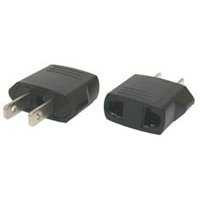
Understanding the Role of Adapters in Modern Technology
Understanding the Role of Adapters in modern technology is crucial for both consumers and businesses. Adapters serve as integral components in connecting different devices or systems that may not inherently be compatible. For instance, in the realm of electronics, adapters enable users to connect their smartphones to various charging ports, audio devices, or even computers. This functionality is not limited to physical devices; it extends to software solutions as well. Software adapters facilitate communication between different platforms, ensuring data can be accessed seamlessly across diverse systems.
Moreover, the role of adapters is increasingly evident in the world of IoT (Internet of Things) devices. As the number of connected devices continues to grow, the need for versatile adapters becomes more pronounced. These devices often need to communicate over different protocols and standards, making adapters essential for ensuring interoperability. Additionally, businesses that leverage these technologies can significantly enhance their efficiency and productivity by adopting adaptable solutions that integrate various technologies seamlessly. As we continue to embrace innovation, the importance of understanding and utilizing adapters will only increase.
Counter-Strike is a popular tactical first-person shooter game that has become a staple in competitive gaming. Players can choose to take on the roles of terrorists or counter-terrorists, engaging in a series of intense matches. To enhance your gaming experience, you might want to check out the Top 10 Travel Tech Essentials that can help you stay connected while on the move. With its strategic gameplay and team-oriented mechanics, Counter-Strike remains a favorite among gamers worldwide.
How Adapters Enable Seamless Device Connectivity
Adapters play a crucial role in enabling seamless device connectivity, bridging the gap between different technologies and ensuring smooth communication. In today's fast-paced digital landscape, where we rely on multiple devices—from smartphones and laptops to smart home gadgets—these connectors facilitate the exchange of data and power. For instance, USB-C adapters can convert connections for HDMI, USB-A, or even Ethernet, allowing users to easily connect their devices regardless of the interfaces in use. This versatility not only simplifies user experience but also enhances productivity by minimizing lag and frustration caused by compatibility issues.
Moreover, the use of adapters contributes to greater flexibility and future-proofing of technology. As manufacturers develop new interface standards, adapters provide a practical solution for consumers to continue using their existing devices without needing to overhaul their entire setup. This adaptability can be particularly beneficial in environments where multiple devices need to connect quickly and efficiently, such as in classrooms or offices. By utilizing adapters, users can maintain a seamless workflow, ensuring that connectivity challenges do not hinder their progress.
What Are the Different Types of Adapters and Their Uses?
Adapters serve as essential tools in ensuring compatibility between different devices, allowing them to communicate effectively. There are several types of adapters, each designed for specific functions. For instance, USB adapters enable devices with different USB standards to connect, like linking a USB-C device to a conventional USB-A outlet. Similarly, audio adapters convert audio signals from one format to another, making it possible to connect headphones to various audio outputs. Understanding these types is crucial for troubleshooting device connections and optimizing functionality.
Among the most commonly used adapters are:
- Voltage Adapters: Used to convert voltage levels to match the power requirements of different devices.
- Network Adapters: Facilitate network connectivity, allowing devices without built-in capabilities to access Wi-Fi or Ethernet connections.
- HDMI Adapters: Enable video output from devices to displays using different formats, such as connecting an HDMI device to a VGA monitor.
Each of these adapters plays a significant role in enhancing the usability and versatility of technology in everyday life.