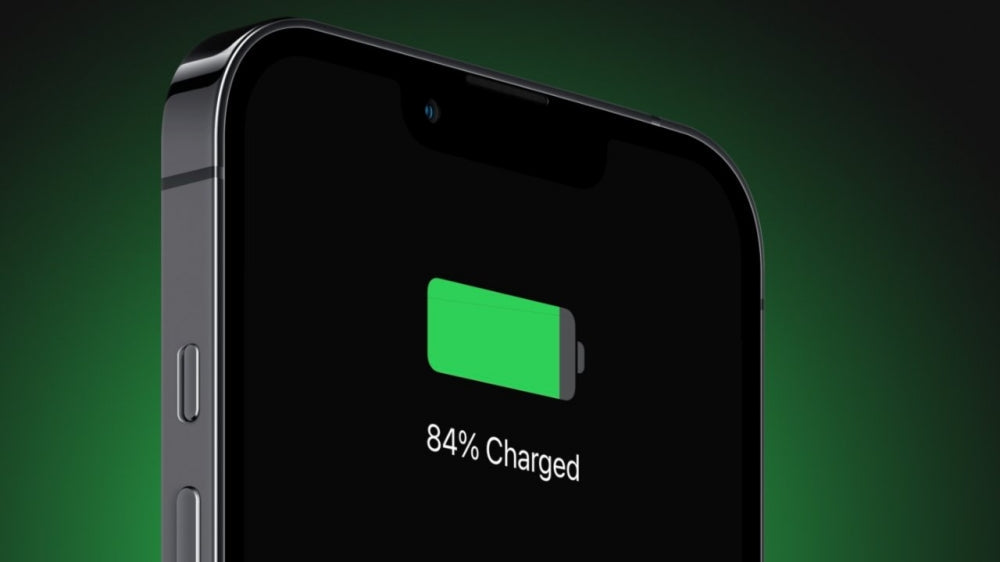
The Science Behind Battery Health: Tips to Prolong Your Device's Lifespan
The health of your device's battery is crucial for maintaining its overall performance and longevity. Understanding the science behind battery health can help you make informed decisions about your device's usage. Lithium-ion batteries, the most common type used in smartphones and laptops, degrade over time due to factors like temperature, charge cycles, and usage patterns. Battery health is often measured in terms of capacity and charge cycles, with a typical lifespan ranging from 300 to 500 full charge cycles. To optimize your battery health, it’s essential to manage your charging habits and keep an eye on the battery's temperature.
Here are some effective tips to prolong your device's battery life:
- Avoid Extreme Temperatures: Heat is a battery's worst enemy, so keep your device away from direct sunlight and hot surfaces.
- Charge Smart: Instead of letting your battery drain completely before charging, try to keep it between 20% and 80% for optimal health.
- Minimize Background Activity: Close unused apps and disable features like Bluetooth and GPS when they're not needed.
By implementing these practices, you can maintain your battery's health and ensure your device continues to function at its best.
Counter Strike is a highly popular tactical first-person shooter game that pits teams of terrorists against counter-terrorists in various game modes. Players must work together to complete objectives, such as defusing bombs or rescuing hostages. If you're looking to enhance your gaming experience, check out the Top 10 iphone accessories under 100 for some great gear. The game has evolved significantly since its inception, with numerous updates and sequels keeping the community engaged.
Common Charging Myths: What You're Doing Wrong and How to Fix It
When it comes to charging your devices, myths abound, leading many to adopt practices that can shorten battery life or reduce efficiency. One common charging myth is that you should always let your battery run down to 0% before recharging. In reality, modern lithium-ion batteries actually perform better when kept between 20% and 80% charge. Consistently allowing your battery to drop too low can cause stress and degrade the battery over time. Additionally, the idea that overnight charging is harmful is also misleading; while it’s true that batteries can heat up, most devices are equipped with smart technology that stops charging once they reach full capacity.
Another frequently circulated myth suggests that using third-party chargers can damage your device. While it's important to ensure the charger meets the correct specifications, many third-party options are perfectly safe and can even provide efficient charging. To ensure you're making the right choice, look for chargers from reputable brands that comply with industry standards. When determining the ideal charging habits for your devices, remember these tips:
- Avoid letting your battery drop below 20% regularly.
- Use chargers that are certified and compatible with your device.
- Don’t obsess over charging overnight; modern devices are designed to manage this.
Is Your Device Overheating? Signs of Battery Burnout and How to Address It
If you're noticing that your device gets uncomfortably hot during use, it could be a sign of potential battery burnout. Common signs of overheating include excessive heat near the device's back, a quick drop in battery life, or even sudden shutdowns. These symptoms not only affect your device's performance but can also pose safety risks, such as the potential for battery swelling or fire hazards. If your device is frequently heating up, it’s crucial to pay attention to these signs before more severe damage occurs.
To address overheating issues, start by monitoring your usage. Limit resource-intensive applications and ensure your device has proper ventilation during operation. You can also check for software updates that may improve performance and heating issues. If overheating persists, consider consulting with a professional to assess the battery health or replace the battery if necessary. Being proactive can not only extend the life of your device but also ensure your safety.