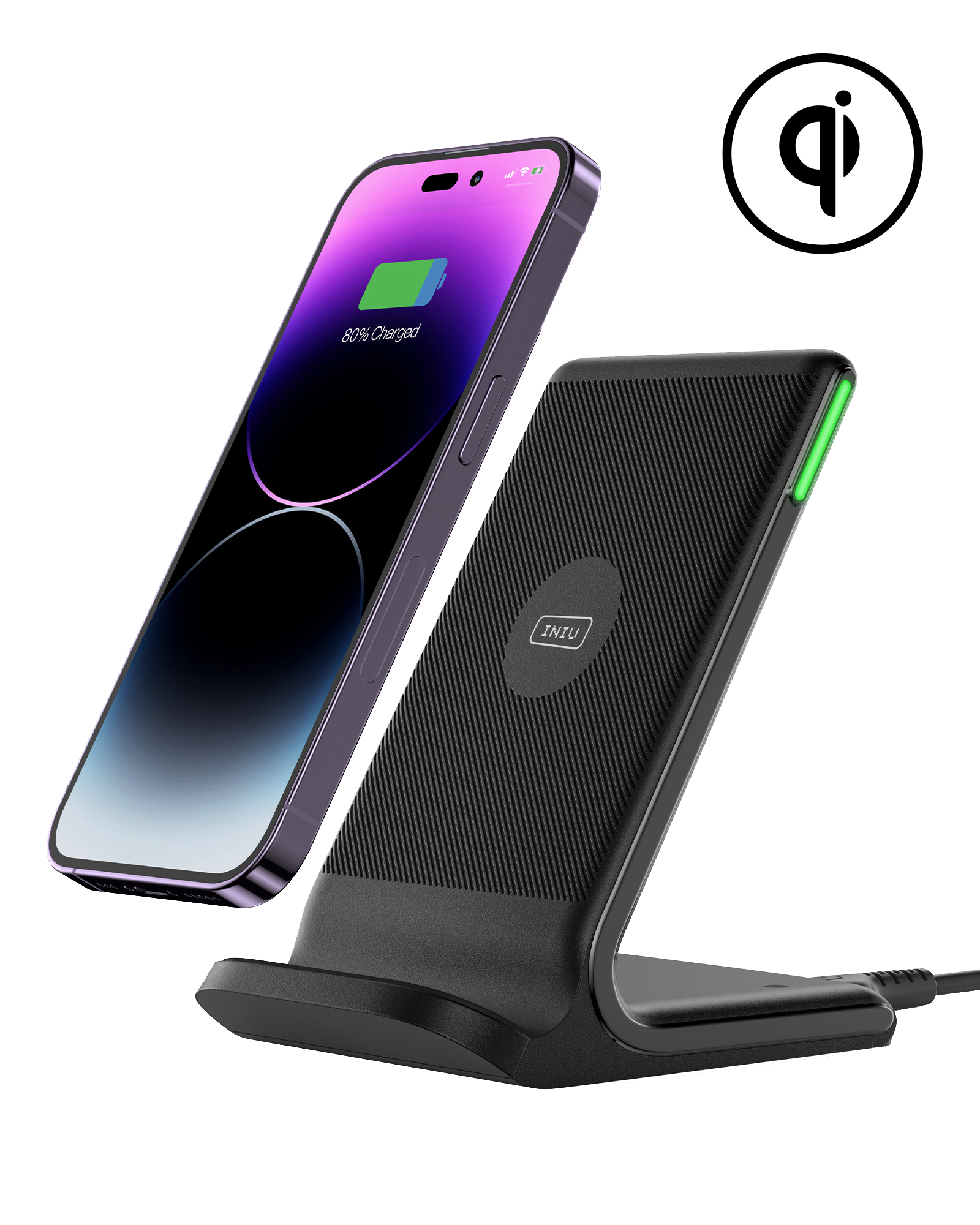
The Science Behind Wireless Charging: How It Works
The science behind wireless charging involves the principles of electromagnetic induction and resonant inductive coupling. At its core, this technology enables electric energy to be transmitted from a power source to a device without the need for physical connectors. The charging station, or wireless charging pad, generates an alternating electromagnetic field, which is picked up by a coil in the device, such as a smartphone or smartwatch. This interaction creates a current that can charge the device's battery. The process typically operates within a range of a few centimeters, ensuring that devices need to be properly aligned on the pad for efficient charging.
Several standards govern wireless charging technology, with Qi being the most widely adopted. This standard makes it possible for various devices to receive charge from the same source, promoting compatibility among different brands. The efficiency of wireless charging has significantly improved over the years, with newer technologies allowing for faster charging speeds by optimizing the energy transfer process. However, challenges remain, such as heat generation during charging and distance limitations, which are areas of ongoing research and development in the quest to enhance wireless charging performance.
Counter-Strike is a popular tactical first-person shooter game that pits teams of terrorists against counter-terrorists in a variety of game modes. Players engage in strategic gameplay, utilizing a wide array of weapons and tactics to achieve objectives such as planting bombs or rescuing hostages. To enhance your gaming experience, you can also check out the Top 10 Nightstand Chargers for Apple Watch for those who enjoy gaming on the go.
Top 5 Benefits of Wireless Charging for Everyday Devices
Wireless charging has revolutionized the way we power our everyday devices, offering a range of benefits that enhance convenience and efficiency. One of the most significant advantages is eliminating cable clutter. With no wires to manage, you can enjoy a cleaner and more organized space. This is especially beneficial in a busy lifestyle where multiple devices are used daily, as it allows for easy access to power without the hassle of tangled cords.
Another key benefit is improved device longevity. Wireless charging reduces the wear and tear associated with frequent plugging and unplugging of cable connectors. By using wireless pads, you minimize the risk of damage to the charging port, thereby extending the lifespan of your devices. Additionally, many wireless chargers come with built-in safety features, such as overheating protection, which provide peace of mind while your devices recharge.
Will Wireless Charging Replace Traditional Cables in the Future?
As technology continues to evolve, the debate surrounding wireless charging versus traditional cables intensifies. Proponents of wireless charging argue that its convenience and ease of use could lead to widespread adoption in the future. Imagine a world where you simply place your devices on a charging pad without worrying about tangled cords or searching for outlets. This revolution in charging technology offers not only a hassle-free experience but also the potential for enhanced device longevity, as there’s less wear and tear on the physical ports. However, it’s essential to consider that while wireless charging is gaining traction, its current limitations, such as slower charging times and efficiency losses due to distance limitations, remain significant obstacles.
On the other hand, traditional cables have been the backbone of device charging for years and come with their own set of advantages. Cable charging generally provides faster charging speeds and is more efficient in terms of energy transfer. Additionally, the ruggedness and reliability of cables make them less susceptible to issues caused by misalignment or foreign objects that can disrupt wireless charging pads. While wireless technology has the potential to reshape our charging habits, it's likely that traditional cables will continue to coexist for the foreseeable future, catering to users who prioritize speed and efficiency. Therefore, the question remains: will we see a day where wireless charging completely overtakes traditional cables, or will a hybrid model become the new standard?