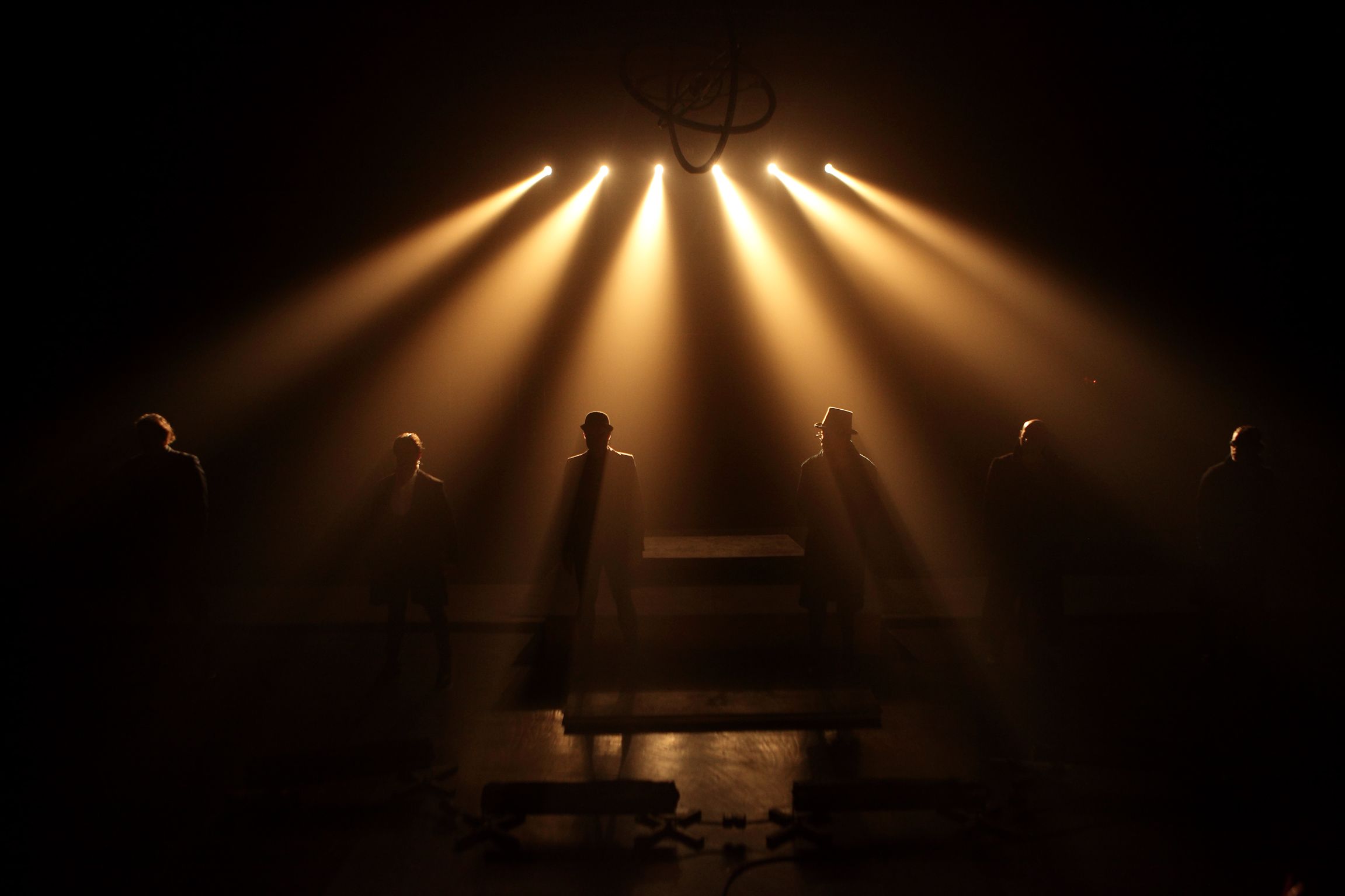
How Different Lighting Choices Can Transform Your Mood
The impact of lighting choices on our mood is often underestimated. Different types of lighting can evoke various emotional responses, influencing our daily activities and overall well-being. For instance, warm white light is known to create a cozy atmosphere, making it ideal for social gatherings or relaxing evenings at home. Conversely, cool blue light can enhance focus and productivity, making it a preferred choice for workspaces. Understanding the psychological effects of light can help you choose the right ambiance for every occasion.
To effectively harness the power of light in your environment, consider experimenting with several lighting techniques. For example,
- Use dimmable bulbs to adjust the brightness according to your mood or activity.
- Incorporate task lighting in workspaces to boost concentration.
- Utilize accent lighting to highlight artwork or architectural features and create visual interest.
Counter-Strike is a highly popular multiplayer first-person shooter game that has captivated gamers since its initial release in 1999. Players compete in teams, taking on various roles such as terrorists and counter-terrorists, with the goal of completing missions or eliminating the opposing team. For those interested in photography, you might want to check out the Top 10 iphone camera accessories to enhance your mobile photography experience.
The Science Behind Ambient Lighting: Setting the Right Tone for Any Occasion
The science behind ambient lighting is rooted in both psychology and physics, demonstrating how light influences human emotions and productivity. Ambient lighting refers to the overall illumination of a space, creating a foundation for the room's atmosphere. This type of lighting is crucial for establishing a calming and inviting environment, particularly in settings like homes, workplaces, and restaurants. Studies show that different color temperatures can evoke various feelings; for instance, warmer lights (around 2700K to 3000K) tend to create a cozy and relaxed ambiance, while cooler lights (above 4000K) can enhance focus and alertness.
To effectively utilize ambient lighting, consider these key principles:
- Layer Your Lighting: Combine ambient light with task and accent lighting to create depth.
- Choose the Right Fixtures: Select light sources that complement your space's design and purpose.
- Adjust Brightness: Use dimmers to control the intensity, allowing for versatility in mood settings.
What Color Temperature Should You Use to Create the Perfect Atmosphere?
Choosing the right color temperature is crucial for setting the perfect atmosphere in any space. Generally measured in Kelvin (K), color temperature ranges from warm tones around 2000K to cooler tones exceeding 6000K. For a cozy and inviting environment, aim for color temperatures between 2700K and 3000K, which emit a warm yellow hue reminiscent of traditional incandescent bulbs. This range is ideal for living rooms and bedrooms, creating a serene ambiance that encourages relaxation and comfort.
On the other hand, if you are looking to energize a space, consider using cooler color temperatures between 4000K and 5000K. This daylight-like illumination works wonders in spaces like kitchens and work areas where focus and productivity are essential. Additionally, spaces requiring attention to detail, such as offices or studios, can benefit from these crisper tones. Ultimately, understanding how color temperature influences mood and functionality will help you curate a space that meets your specific needs.