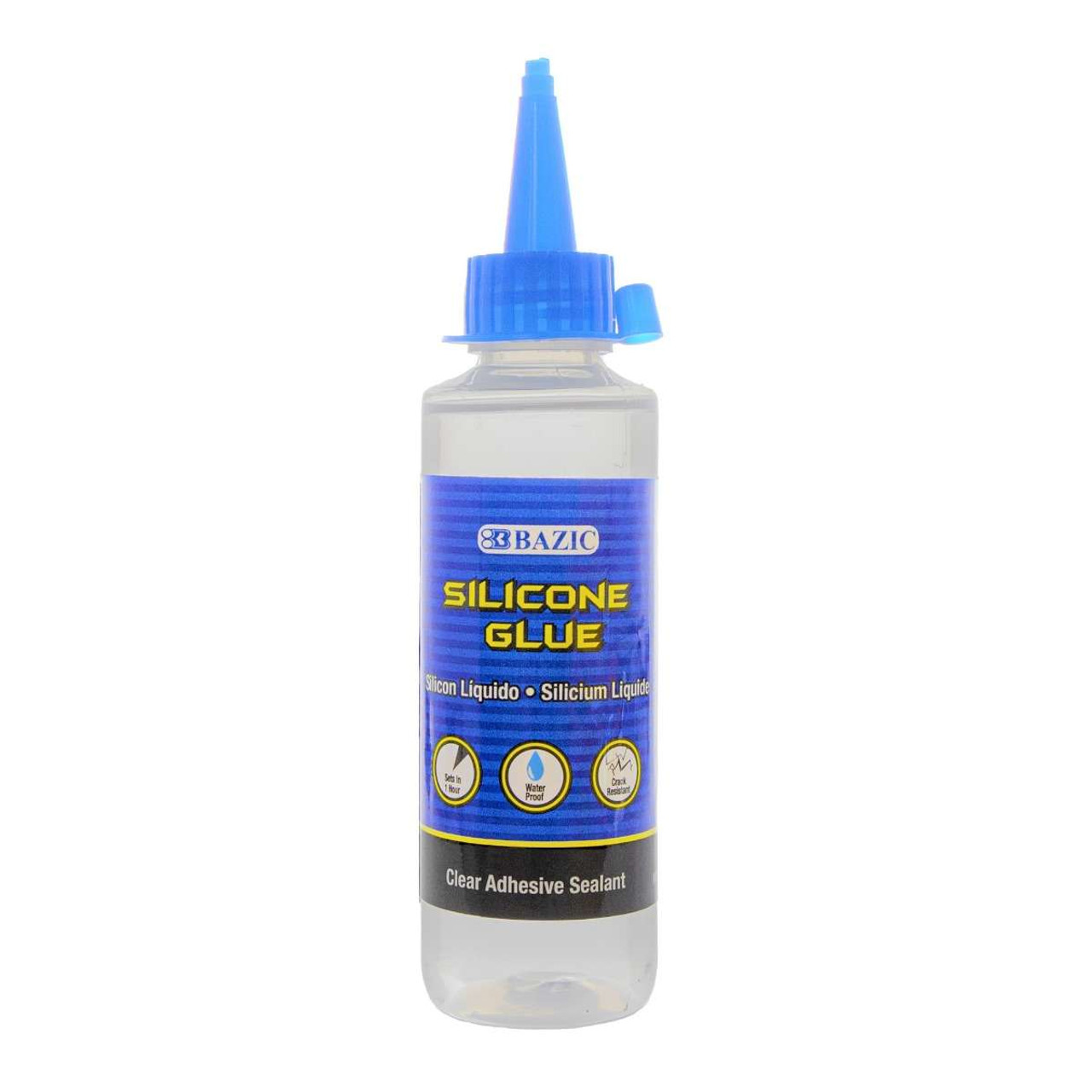
The Versatility of Silicone: From Kitchen to Medical Applications
Silicone is undoubtedly one of the most versatile materials available today, with applications that span from culinary uses to advanced medical technology. In the kitchen, silicone molds and utensils have gained immense popularity due to their heat resistance and non-stick properties. These tools simplify cooking and baking, making tasks like baking and food preparation easier and more enjoyable. Silicone bakeware, for example, can withstand high temperatures without warping, and its flexibility allows for easy release of baked goods. Additionally, silicone can handle extremes in temperature, making it perfect for both oven and freezer use.
Beyond the kitchen, the versatility of silicone extends into the medical field, where it is employed in a variety of applications such as prosthetics, implants, and surgical devices. Its biocompatibility ensures that silicone can be safely used within the human body, providing a suitable option for everything from breast implants to catheters. Furthermore, the material’s durability, flexibility, and resistance to bacteria enable medical professionals to deliver enhanced patient care. The ongoing innovation in silicone technology continues to pave the way for even more sophisticated applications, proving its significance across multiple industries.
Counter-Strike is a highly popular first-person shooter game that has captivated gamers since its inception. Players compete in teams to achieve objectives such as planting or defusing bombs, rescuing hostages, or eliminating the opposing team. The game's strategic depth and emphasis on teamwork have made it a staple in the esports community, frequently featured in tournaments worldwide. Many players also invest in gear and accessories to enhance their gaming experience, including Top 10 Apple Watch Bands for Sweating to track their performance during intense matches.
Why Silicone is the Preferred Material for Eco-Friendly Living
Silicone has increasingly become the preferred material for those embracing eco-friendly living. Unlike traditional plastics, silicone is a versatile, durable, and non-toxic substance that stands the test of time, significantly reducing the need for frequent replacements. This longevity not only decreases waste in landfills but also lessens the environmental footprint associated with the production of new items. Furthermore, silicone is free from harmful chemicals such as BPA and phthalates, making it a safer choice for both consumers and the environment.
In addition to its durability, silicone offers excellent heat resistance, making it ideal for kitchenware, baking molds, and food storage solutions. Unlike many single-use products, silicone items can be reused multiple times without compromising their integrity. As more individuals seek sustainable alternatives, silicone products have become a go-to option for items like reusable straws, bags, and containers. This shift not only supports a healthier planet but also promotes a sustainable lifestyle that aligns with current eco-friendly values.
Silicone vs. Traditional Materials: Which is Better for Modern Homes?
When it comes to modern home design, choosing the right materials is essential for both aesthetics and functionality. Silicone has emerged as a popular alternative to traditional materials such as wood, metal, and glass. One of the key advantages of silicone is its durability; it is resistant to extreme temperatures, moisture, and UV rays, making it ideal for outdoor applications, as well as indoor use in kitchens and bathrooms. Additionally, silicone is lightweight and flexible, allowing for creative designs that can blend seamlessly into a home's architecture.
On the other hand, traditional materials bring their own set of benefits that shouldn't be overlooked. Materials like wood and stone offer unparalleled beauty and timeless appeal, often enhancing the value of a home. They can also provide better insulation and soundproofing compared to silicone. However, traditional materials often require more maintenance over time, and can be less resistant to the elements. Ultimately, the decision between silicone and traditional materials will depend on the specific needs and style preferences of the homeowner.