How Smart Devices Are Changing the Way We Live: An In-Depth Exploration
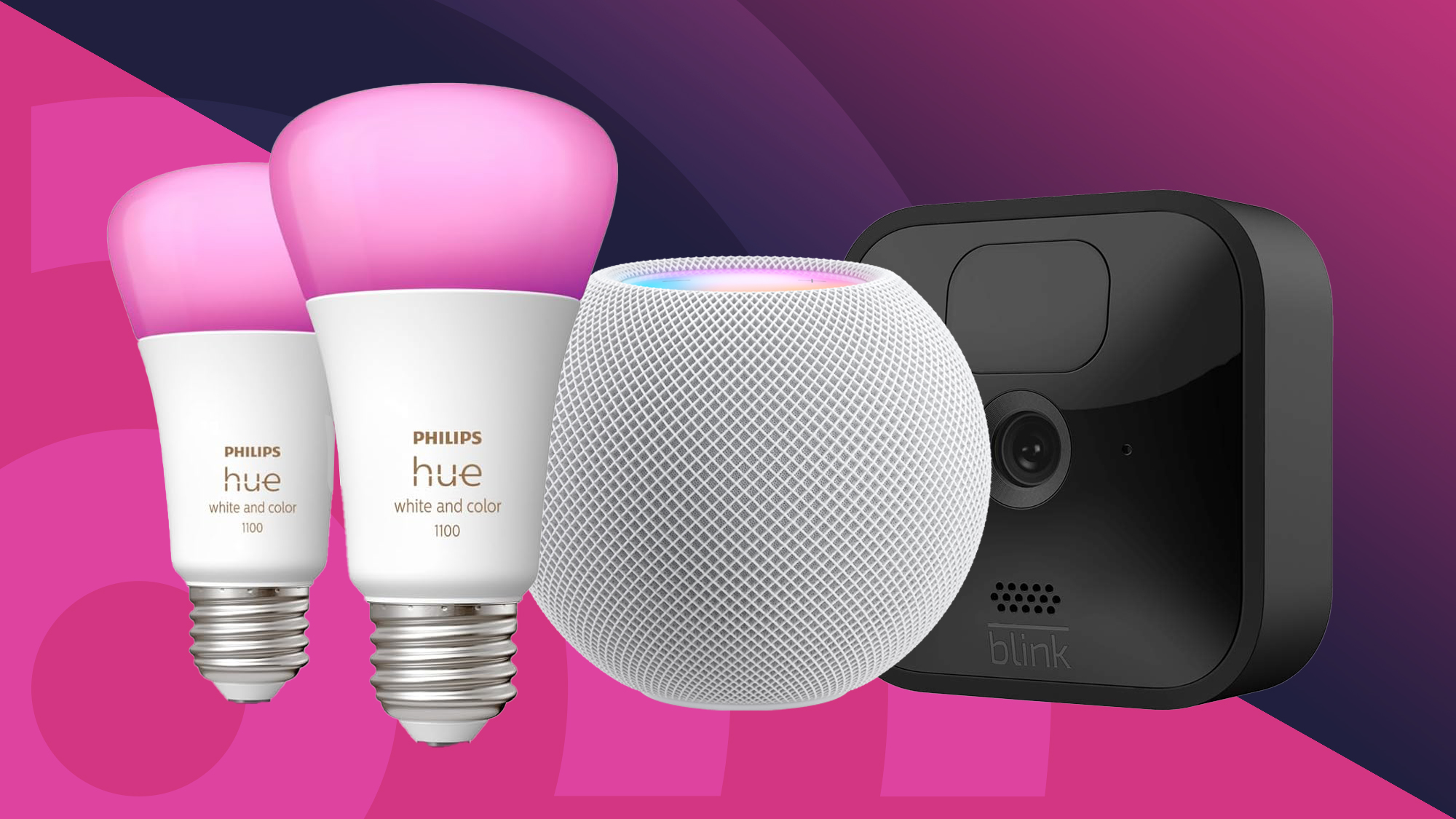
In today's fast-paced world, smart devices have become integral to our daily lives, transforming the way we live, work, and interact with one another. From smartphones and smart home systems to wearable technologies and Internet of Things (IoT) devices, these innovations provide us with unparalleled convenience and connectivity. For instance, smart home devices allow users to control lighting, heating, and security systems remotely, creating a more streamlined and efficient living environment. This transformation is not just about convenience; it also promotes energy efficiency and enhances our overall quality of life.
The impact of smart technology extends beyond the home. In the workplace, smart devices facilitate collaboration and improve productivity through tools like video conferencing and project management apps. According to a recent study, companies that integrate smart technologies see a significant boost in employee engagement and performance. Additionally, the advent of wearables, such as fitness trackers, encourages healthier lifestyles by monitoring physical activity and providing real-time feedback. As we delve deeper into this in-depth exploration of smart devices, it becomes clear that their influence will only continue to expand, shaping our future in ways we have yet to fully comprehend.
Counter-Strike is a popular tactical first-person shooter game that emphasizes team-based gameplay and strategy. Players can choose to take on the roles of terrorists or counter-terrorists, completing various missions or eliminating the opposing team. The game has a thriving esports scene, drawing in tournaments and viewers worldwide. If you're looking for cool equipment to enhance your gaming experience, check out the Top 10 Tech Gifts Under 100 for some great options!
The Benefits of Smart Devices: Enhancing Efficiency and Convenience in Everyday Life
In today's fast-paced world, smart devices have revolutionized the way we live and work, offering unparalleled efficiency and convenience in our daily routines. From smart thermostats that adjust temperatures based on your preferences, to voice-activated assistants that manage your schedules, these devices integrate seamlessly into our lives. For instance, with just a simple voice command, you can control your home’s lighting, play music, or even order groceries without lifting a finger, allowing you to focus on what truly matters.
Moreover, smart devices significantly enhance productivity by automating mundane tasks. Consider the benefits of using a smart appliance, such as a robotic vacuum cleaner that takes care of floor cleaning while you're away. This not only saves you time but also ensures that you come home to a clean space. In addition, many smart devices offer connectivity features that allow you to monitor and control them remotely via your smartphone or tablet. This level of convenience means that whether you're at work or on vacation, you can maintain control over your home environment, which ultimately leads to a more efficient lifestyle.
Are Smart Devices Making Us Smarter or More Dependent?
As smart devices become increasingly integrated into our daily lives, the debate on whether they are making us smarter or merely fostering dependency intensifies. On one hand, these devices provide us with unprecedented access to information, allowing us to learn and adapt quickly. For example, smartphones and smart speakers can answer questions, offer learning resources, and even assist in complex tasks through voice commands and AI integration. This accessibility to knowledge could be seen as enhancing our cognitive abilities and improving our problem-solving skills.
Conversely, there is a growing concern that our reliance on these technologies is diminishing our critical thinking and memory retention. With answers just a voice command away, we may find ourselves relying less on our own reasoning and memory. Studies suggest that constant notifications and the addictive nature of smart devices can impair our focus and mental clarity. In the end, we must weigh the benefits of knowledge at our fingertips against the risk of becoming overly dependent on devices for everyday tasks.