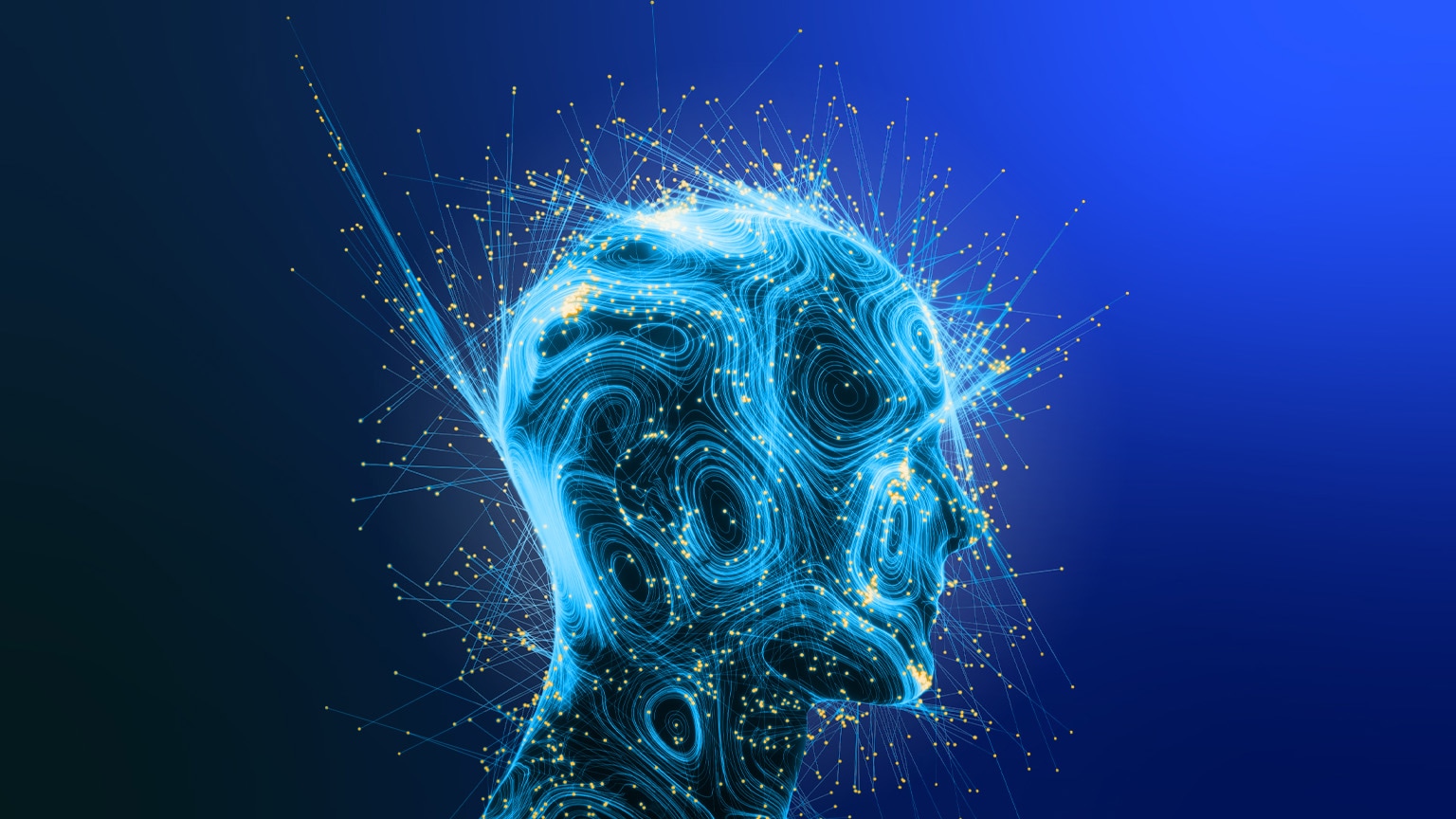
The Rise of AI Companions: Are We One Step Closer to Sci-Fi Friendships?
The emergence of AI companions marks a significant milestone in our technological evolution, transforming our interactions and companionships in profound ways. These digital entities, powered by advanced machine learning algorithms and natural language processing, are designed to understand, learn, and engage with humans on a deeper emotional level. From virtual assistants like Siri and Alexa to more advanced conversational agents, the concept of AI companions has transitioned from science fiction fantasies to tangible realities. As we increasingly rely on these intelligent beings for support, entertainment, and even companionship, one can't help but wonder: Are we truly one step closer to the futuristic friendships depicted in our beloved sci-fi narratives?
Interestingly, the rise of AI companions presents both exciting opportunities and ethical dilemmas. As technology evolves, these companions are becoming more sophisticated, offering not just generic responses but dynamic interactions that mimic real human relationships. Some companies are even exploring AI's potential to provide emotional support for individuals facing loneliness or mental health challenges. However, this advancement raises critical questions about the nature of relationships and whether human emotional needs can genuinely be met by artificial beings. As we navigate this brave new world, society must grapple with the implications of having AI friendships and what it means for our future connections.
Counter-Strike is a popular first-person shooter game that has captivated players since its initial release. Known for its team-based gameplay and strategic depth, it pits terrorists against counter-terrorists in various objective-based scenarios. Players often seek gear to protect their expensive electronic devices, which is why it's essential to look for Top 10 Secure AirPods Cases with Lock to ensure safety while gaming.
Augmented Reality: Is Your World About to Get a Major Upgrade?
Augmented Reality (AR) is rapidly evolving, and it stands on the brink of transforming our everyday experiences. Imagine walking down the street and receiving real-time information about the buildings around you or trying on clothes virtually before making a purchase. The integration of AR technology into various sectors such as retail, education, and entertainment is not merely a trend but a significant upgrade to the way we interact with the world. As AR applications continue to gain traction, from mobile apps to advanced headsets, businesses are recognizing the potential to enhance customer engagement and create immersive experiences.
However, with innovation comes challenges. Privacy concerns, technological limitations, and the need for substantial investment in infrastructure are critical factors that could influence the widespread adoption of AR. Nevertheless, the excitement surrounding augmented reality is palpable, with major tech companies pouring resources into its development. In the coming years, we may find ourselves fully integrated into an augmented world, where the lines between digital and physical realities blur, fundamentally changing how we perceive and interact with our environment. Will you be ready for this major upgrade?
The Quantum Computing Revolution: Are We Unlocking the Secrets of the Universe?
The advent of quantum computing marks a pivotal moment in our technological evolution, promising to enhance our understanding of complex systems and the fundamental principles governing the universe. Unlike traditional computers that operate on binary bits, quantum computers utilize quantum bits or qubits, which can exist in multiple states simultaneously. This unique property allows quantum machines to perform calculations at speeds unimaginable with current technology. As researchers delve deeper into quantum algorithms, they are beginning to unlock solutions to problems ranging from cryptography to drug discovery, offering a glimpse into the potential to unravel the secrets of the universe.
However, the journey towards fully realizing the capabilities of quantum computing is fraught with challenges. Issues such as quantum decoherence and error rates must be addressed to scale quantum devices effectively. As we stand on the brink of this quantum computing revolution, the race is on to develop stable, scalable systems that can lead us to breakthroughs in various fields. If successful, these advancements could not only transform industries but also enhance our comprehension of reality itself, prompting us to question long-held beliefs about time, space, and information.