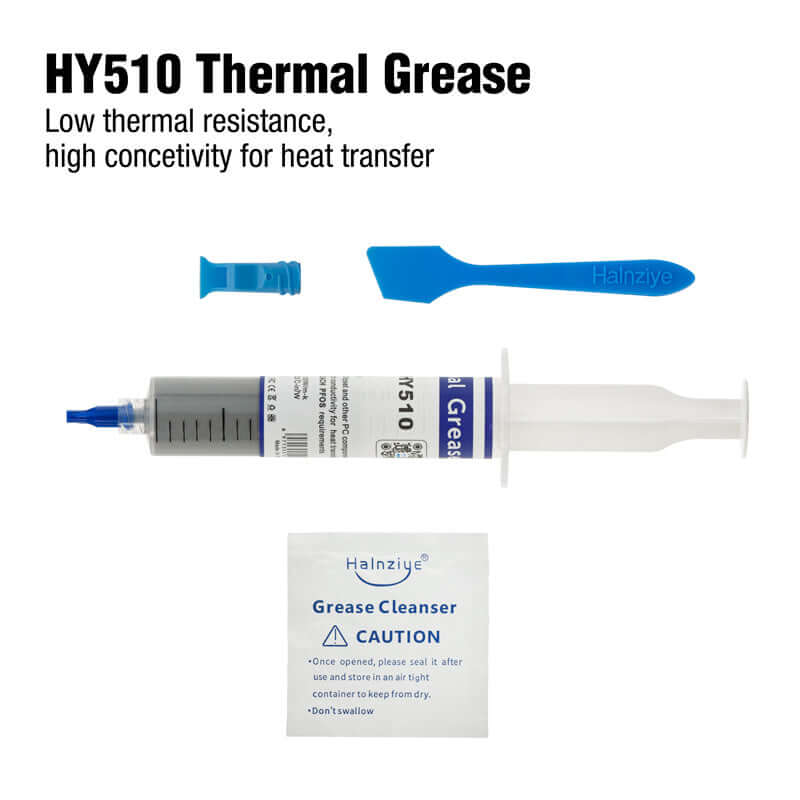
Understanding Thermal Paste: What It Is and Why Your CPU Needs It
Thermal paste, also known as thermal compound or thermal grease, is a substance applied between the CPU and its cooler to enhance thermal conductivity. Its primary function is to fill microscopic imperfections on the surfaces of the CPU and heatsink, allowing efficient heat transfer. When your CPU operates, it generates heat, and without effective heat dissipation, the CPU can overheat, leading to reduced performance or even damage. By applying thermal paste, you help ensure that your CPU stays within a safe temperature range, optimizing its performance and longevity.
Choosing the right thermal paste is crucial for your build's cooling efficiency. There are various types available on the market, including ceramic, metal, and liquid metal options. High-quality thermal pastes often have better thermal conductivity ratings, which can make a noticeable difference in your CPU's temperature. Regularly monitoring and replacing old or dried-out thermal paste can significantly help maintain optimal temperatures. Remember, investing in a reliable thermal paste is essential for any computer enthusiast looking to improve their system's performance and thermal management.
Counter-Strike is a highly popular tactical first-person shooter game that emphasizes teamwork and strategy. Players engage in intense rounds as either terrorists or counter-terrorists, with the primary objective of eliminating the opposing team. To enhance your gaming experience, consider exploring Top 10 Laptop Accessories to Prevent Overheating, which can help maintain your device's performance during long play sessions.
Signs Your CPU Is Overheating: When to Change Thermal Paste
Your CPU is a critical component of your computer, and overheating can lead to severe performance issues and hardware damage. One of the first signs that your CPU might be overheating is if you notice sudden system slowdowns or unexpected crashes during high-intensity tasks like gaming or video editing. Additionally, frequent freezing or stuttering can indicate a thermal problem. If you've been monitoring your CPU temperatures and they consistently exceed the recommended limits, it may be time to investigate further. Look for physical signs like warning lights on your motherboard or unusual fan noises, which can also signal that your CPU is struggling to maintain optimal temperatures.
Another common indication of an overheating CPU is the presence of thermal throttling. This occurs when your CPU intentionally reduces its performance to lower its temperature, which can manifest as lag or decreased efficiency in applications. If you've ruled out dust buildup in your cooling system and still experience these issues, it might be time to consider changing thermal paste. Over time, thermal paste can dry out and lose its effectiveness, leading to inadequate heat transfer from the CPU to the heatsink. To ensure proper cooling and maintain your CPU's lifespan, regularly check and replace the thermal paste, especially if you notice any of the signs mentioned above.
The Ultimate Guide to Applying Thermal Paste for Optimal CPU Performance
Applying thermal paste correctly is essential for ensuring optimal CPU performance. Thermal paste acts as a thermal interface material between the CPU and the cooler, helping to efficiently transfer heat away from the processor. Before you begin, gather your materials: thermal paste, isopropyl alcohol, lint-free cloths, and a small plastic scraper if needed. To start, power down your computer and unplug it from the wall. Remove the CPU cooler carefully, ensuring that you take note of how it is mounted to reinstall later.
Once the cooler is removed, it's crucial to clean the old thermal paste off both the CPU and the cooler surface. Use isopropyl alcohol and a lint-free cloth to wipe away the residue thoroughly. After cleaning, apply a small amount of thermal paste—about the size of a pea—directly onto the center of the CPU. When you reattach the cooler, the pressure will spread the paste evenly across the surface. This will not only ensure good thermal conductivity but also prevent overheating, significantly boosting your CPU performance.