Understanding Crypto Hedging: Beyond World Cup Bets - An Explainer
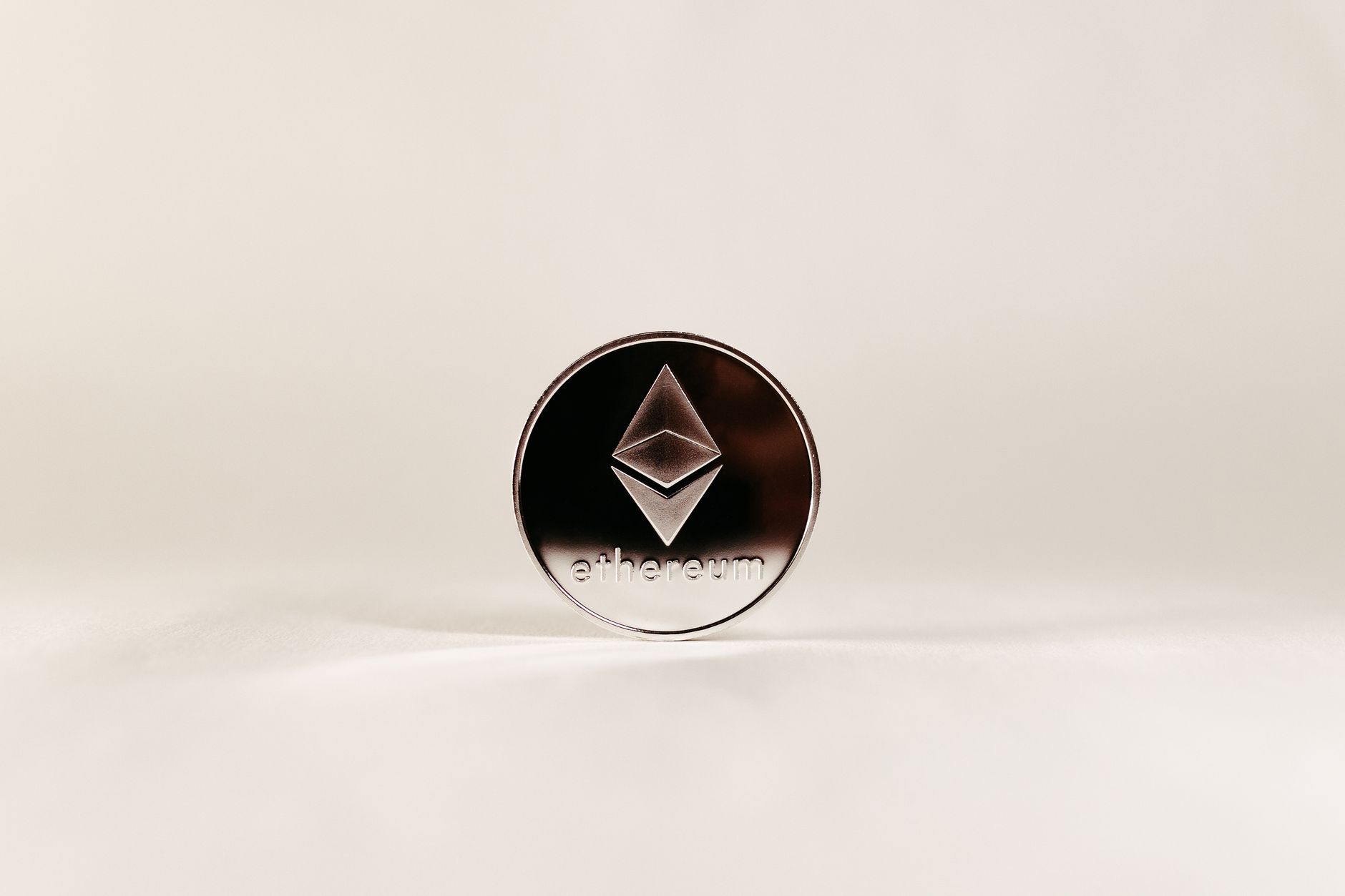
Betting on the World Cup with crypto offers a modern and decentralized way to engage with the tournament. Fans can bet on the World Cup with crypto, leveraging the speed and security of blockchain technology for their wagers. This innovative approach allows for greater privacy and often lower fees compared to traditional betting methods, making it an attractive option for tech-savvy football enthusiasts.
Practical Strategies for Hedging Your Bets: Tips & Common Questions
When delving into the practicalities of hedging, a key initial step is to clearly define what you're trying to protect against. Are you concerned about currency fluctuations impacting international suppliers, rising raw material costs, or unexpected dips in demand? Identifying your specific vulnerabilities will dictate the most effective strategies. For instance, a common approach for managing currency risk involves using forward contracts or currency options, allowing you to lock in an exchange rate for a future transaction. Businesses often create a hedging policy that outlines acceptable risk levels, the types of financial instruments they'll use, and who is authorized to execute trades. Proactive risk assessment and a well-defined strategy are paramount to successful hedging, preventing reactive decisions that could lead to greater instability.
Beyond financial instruments, practical hedging extends to operational and strategic decisions. For example, diversifying your supply chain across different geographical regions can hedge against localized disruptions or political instability. Implementing flexible pricing models that can adjust to market changes is another form of operational hedging. Consider these common questions:
- "How much should I hedge?" There's no one-size-fits-all answer, but generally, businesses hedge a significant portion of their exposure (e.g., 50-80%) to mitigate risk without completely eliminating potential upside.
- "What are the costs involved?" Hedging instruments often come with premiums or transaction fees, which must be weighed against the potential losses they prevent.
- "How do I monitor my hedges?" Regular review and adjustment of your hedging strategy are crucial, as market conditions and your business needs can change rapidly.