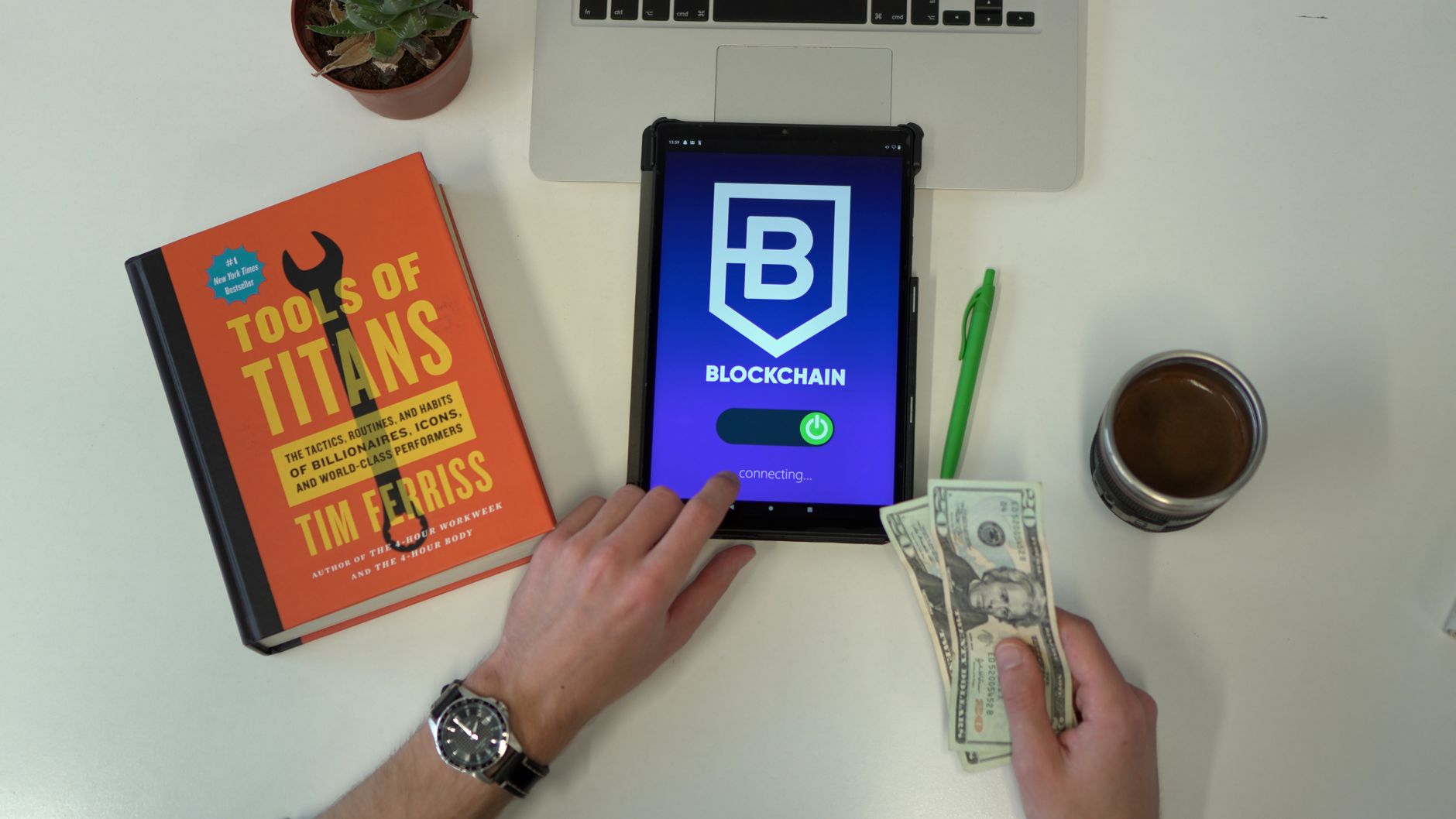
**Navigating the Web3 Pitch: Explaining Decentralized Betting & Your First Wager** (What is it? How does it differ from traditional? Addressing common concerns like legality and security. Step-by-step guide to placing your first bet, including wallet setup and funding.)
Decentralized betting platforms represent a revolutionary shift from traditional bookmakers, leveraging blockchain technology to offer unparalleled transparency and user control. Unlike centralized entities where a single company dictates odds, payouts, and even access to funds, decentralized platforms operate on smart contracts. These self-executing contracts automate all aspects of the betting process, from wager placement to prize distribution, without human intervention. This fundamentally eliminates the need for trust in a third party; every transaction is immutable and verifiable on the blockchain. Furthermore, these platforms often boast lower fees due to reduced overheads and can provide a wider array of betting markets, accessible globally without geographical restrictions often imposed by traditional systems. This shift empowers users, giving them direct custody of their funds and a transparent view into the entire operational framework.
Understanding the transition to Web3 betting involves addressing common concerns and a practical guide to your first wager. Legality, for instance, often hinges on the jurisdiction, but the decentralized nature means platforms themselves are not 'based' in one location. Users should always research local regulations. Security is enhanced through blockchain's cryptographic principles; funds remain in your custody until the smart contract executes, mitigating counterparty risk. To place your first bet, the initial step is setting up a cryptocurrency wallet (e.g., MetaMask), which acts as your digital identity and fund holder. Next, you'll need to fund your wallet with a supported cryptocurrency (typically ETH or a stablecoin) purchased from an exchange. Finally, navigate to your chosen decentralized betting platform, connect your wallet, select your desired market, and place your wager. The smart contract then securely holds your funds until the event concludes and automatically distributes winnings.
The web3 world cup betting landscape is rapidly evolving, offering a decentralized and transparent alternative for football fans looking to engage with the tournament. This new paradigm for web3 world cup betting leverages blockchain technology to provide provably fair odds and instant payouts, moving away from traditional centralized bookmakers. Enthusiasts can now place their wagers using various cryptocurrencies, enjoying enhanced privacy and reduced fees.
**Smart Strategies & Common Questions: Maximizing Your World Cup Web3 Betting Experience** (Practical tips for finding the best odds on different platforms, understanding liquidity pools, and managing your crypto bankroll. Addressing FAQs about gas fees, cashing out winnings, and dealing with potential network congestion during peak betting times.)
Navigating the World Cup Web3 betting landscape requires strategic thinking, especially when aiming for optimal returns. A crucial first step is to compare odds across multiple decentralized platforms. Don't settle for the first offer you see; dedicated aggregators or manual checks can reveal significant discrepancies. Understanding liquidity pools is also paramount; larger pools generally indicate more stable odds and easier payouts, but smaller pools might offer higher initial returns if you're willing to take on more risk. Furthermore, effective crypto bankroll management is non-negotiable. Set clear limits, avoid chasing losses, and consider diversifying your bets across different matches or prop bets. Remember, the decentralized nature offers transparency, but personal discipline remains your strongest asset.
Beyond finding the best odds, practical considerations are vital for a seamless Web3 betting experience. One of the most common concerns revolves around gas fees. These network transaction costs can eat into your winnings, so look for platforms or blockchains with lower fees, or strategically time your transactions during off-peak hours. Cashing out winnings also requires forethought; understand the withdrawal processes of each platform, including any potential unlock periods or minimum withdrawal amounts. Finally, anticipate and prepare for potential network congestion, particularly during peak betting times for high-profile matches. This could lead to delayed transactions or increased gas fees. Some platforms offer priority transaction options, which, while costing more, can ensure your bets are placed and profits secured in a timely manner.