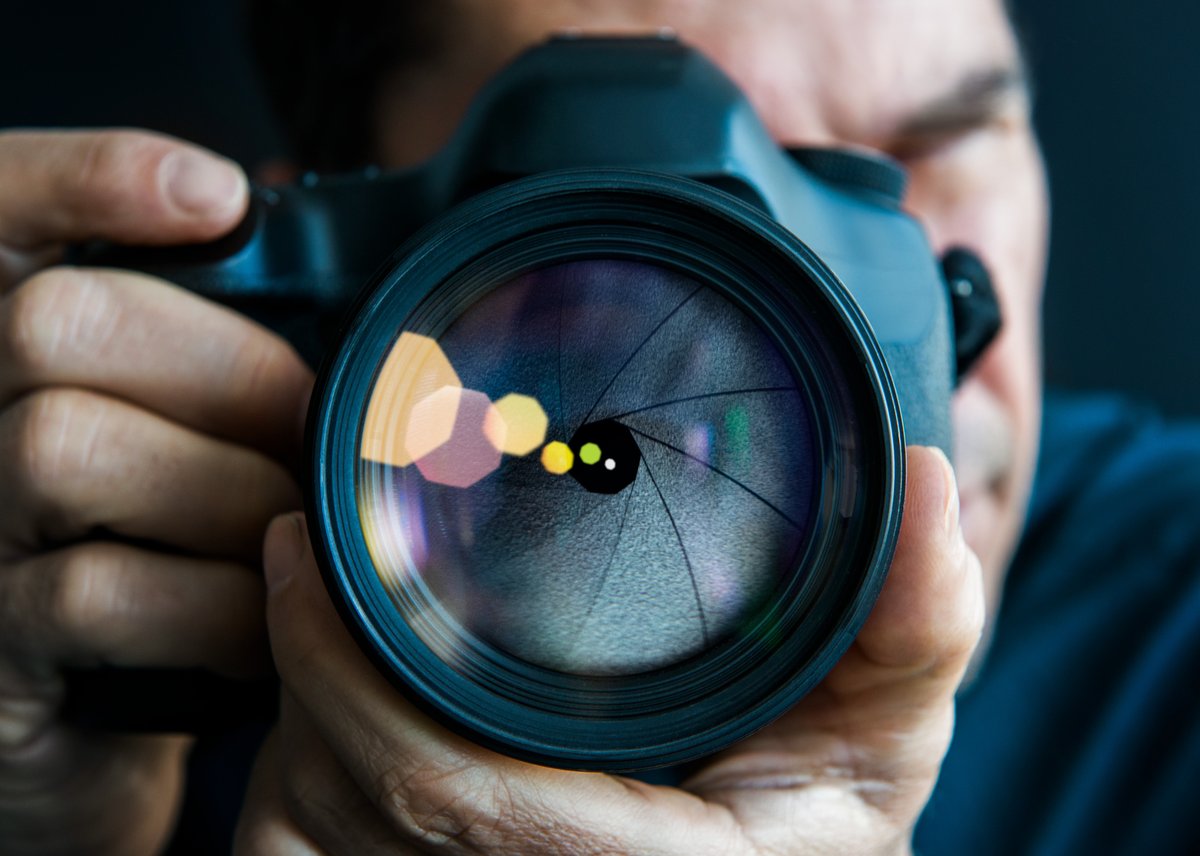
The Art of Photography: Tips for Capturing the Perfect Moment
Photography is an enchanting blend of art and science, requiring not only an eye for beauty but also an understanding of light, composition, and timing. To master the art of photography, start by familiarizing yourself with the basics of your camera. Whether you use a professional DSLR or a smartphone, knowing how to adjust settings like exposure, aperture, and ISO can greatly enhance your ability to capture that perfect moment. Experimenting with different modes can help you grasp the effect of light conditions and motion on your subjects.
Next, focus on composition techniques to elevate your photography. Utilizing the rule of thirds, leading lines, and framing can guide the viewer's eye and create a more engaging image. Don’t forget to consider the background and surroundings; a busy background can distract from your subject. Additionally, practicing patience and being in the right place at the right time is key. As the saying goes,
“The best camera is the one you have with you,”so always be ready to snap away when inspiration strikes!
Counter-Strike is a popular first-person shooter game that emphasizes teamwork and strategy. Players can choose to play as either terrorists or counter-terrorists, engaging in various game modes where objectives such as bomb defusals or hostage rescues are paramount. For those seeking to enhance their gaming experience, consider checking out the Top 10 iphone gimbals to ensure your mobile gaming is smooth and immersive.
How to Choose the Right Camera for Your Photography Style
Choosing the right camera for your photography style is essential for capturing stunning images that reflect your unique vision. First, consider your preferred photography genre, such as landscape, portrait, or street photography. Each style has specific requirements that can influence your cameral selection. For instance, landscape photographers often benefit from cameras with high-resolution sensors and wide dynamic range capabilities, while portrait photographers might prioritize lenses with wide apertures for that coveted bokeh effect. Understanding these differences is pivotal.
Next, it’s important to assess your skill level and budget. Beginners may find entry-level DSLRs or mirrorless cameras useful due to their versatility and ease of use. In contrast, professional photographers may want to invest in high-end models that offer superior performance and advanced features. Additionally, consider these factors when making your decision:
- Weight and size of the camera
- Availability of lenses and accessories
- Low-light performance
- Video capabilities if you're interested in videography
What Makes a Great Photograph? Understanding Composition and Lighting
Understanding what makes a great photograph involves a deep dive into two critical elements: composition and lighting. Composition refers to how different elements within a frame are arranged. A well-composed photograph draws the viewer's eye into the scene and leads them through the image. Techniques such as the rule of thirds, leading lines, and framing can significantly enhance the visual impact of your work. For instance, positioning your subject off-center can create a more dynamic composition that engages the viewer more effectively than a simple centered shot.
Equally important is the role of lighting in photography. The quality, direction, and color of light can transform an ordinary photo into an exceptional one. Natural light, particularly during the golden hour—shortly after sunrise or before sunset—adds a warm glow and soft shadows that elevate the aesthetic appeal of your images. Understanding how to manipulate light, whether through reflecting it, diffusing it, or using artificial sources, can make a significant difference in the final result. In summary, combining mindful composition with effective lighting is essential for capturing great photographs.